
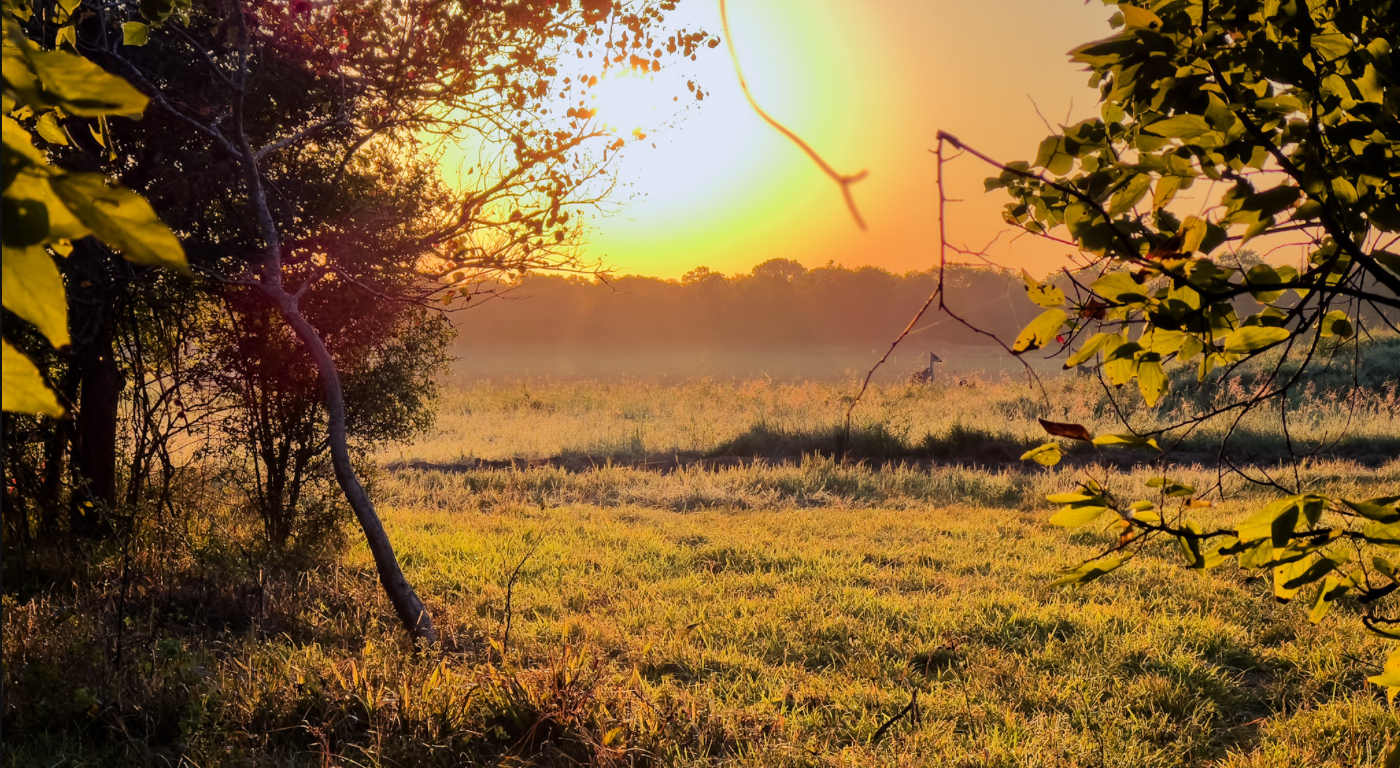
In recent years, you may have noticed the scenery around the greater Clear Lake area begin to change due to increased development projects. And with that development comes change.
But the impact that constriction has on wildlife and natural habitats has left me wondering if these projects are being fair towards the wildlife who are vital to the natural Clear Lake ecosystem.

Near my neighborhood, a large plot of land has just been cleared to make way for a new housing development.
One evening, I found a buck outside a neighbor’s house, grazing in their front yard. The white tail deer was unbothered by my presence as I walked into my house.
These kinds of deer are known to live quiet and reclusive lives in the wilderness, away from people. The fact that the animal had no reaction was a relief, but worrying to say the least.
Before, this untamed land was home to not just these deer, but many other species of mammals, birds, insects, lizards, amphibians, and some fish. So when thinking back to my sighting of this (what should be) wild animal, I asked myself, “Is this buck choosing to eat this grass, or is this grass the only source left for him to graze?”
This example is just one of what are likely many that have been experienced by people in recent months and years, and definitely won’t be the last. As developments like these continue to eat up the last bits of our region’s natural terrain, sightings and interactions with wild animals who have no other place to graze or hunt will only become even more frequent.

There is a silver lining when looking at our campus and the broader Clear Lake community, however.
Environmental Education Assistant for the Environmental Institute of Houston, Rowena McDermid, says that Clear Lake is fortunate to have plenty of green spaces, including our own campus–which sits on an over 500-acre wildlife preserve–and Armand Bayou Nature Center, the largest urban wilderness preserve in the U.S.
In Armand Bayou is a fragment of the Tall Grass Coastal Prairie, a biome that used to dominate the local landscape, but is vanishing rapidly due to agricultural and urban development.
Because of UHCL’s proximity to Armand Bayou, parts of this biome have even been restored right on campus, at two locations in particular. These two spots are the native grass area currently being restored at Entrance 2, where Bay Area Blvd. meets Bayou Rd., and a restored portion of prairie near the campus’ nature trail, according to McDermid.
While the presence of these protected spaces is welcome, this isn’t the case everywhere, and only so much of the natural landscape can be taken away from its inhabitants before something goes awry.
For more information on the Environmental Institute of Houston–housed right here on campus–and their continued research efforts in our area, you can visit their website or subscribe to their newsletter.


Leave a Reply